Why Does One Circuit Keep Losing Power?
If one circuit keeps losing power, it's often due to overloaded circuits, periodic connections, or defective breakers. You might notice flickering lights or frequent tripping, showing concerns like maturing wiring or corroded links that raise resistance. Likewise, ground faults can produce unexpected paths that cause power loss. Evaluating for these problems can help, yet if the problem persists, indicators of deeper mistakes may arise. You'll uncover further information on resolving these problems in advance.
Takeaways
- Battery Issues: Aging batteries can lead to inadequate voltage, triggering periodic power loss on circuits.
- Electrical wiring Damage: Harmed wires or rusty connections create unstable connectivity, causing power fluctuations and blackouts.
- Overloaded Circuits: Extreme devices on one circuit can trigger overloads, causing stumbled breakers and unforeseen shutdowns.
- Breaker Malfunctions: Stopping working circuit breakers may trip frequently, showing poor connections or thermal sensor concerns.
- Ground Mistakes: Electric mistakes can happen when current travels via unintentional courses, creating power loss and prospective risks.
Quick Troubleshooting for Power Loss in Circuits
When circuits keep shedding power, it's critical to find the concern promptly. Beginning by checking for battery degradation; an aging battery can lead to insufficient voltage, influencing performance. Use a multimeter to measure the voltage output. If the battery checks out, concentrate on recurring connections. These can take place due to loose terminals, rusty adapters, or damaged cords. Shake the links while keeping an eye on the circuit to recognize any kind of fluctuations in power. Evaluate solder joints also, because cool solder joints can develop unstable links. Record your searchings for and resolve any kind of defective components instantly. Reliable fixing not just settles the power loss yet also enhances overall circuit reliability.
Usual Reasons of Power Loss in Circuits
When fixing power loss in circuits, it's necessary to identify usual offenders like overloaded circuits, defective circuitry connections, and circuit breaker malfunctions. Each of these issues can interrupt the circulation of electricity, bring about recurring or full power loss. Understanding these causes will certainly help you determine the trouble effectively.
Overloaded Circuit Issues
Overloaded circuits can activate significant power loss, commonly coming from too much need on electric systems. When devices surpass the circuit's capacity, it results in overheating and potential failing. Circuit derating is vital in protecting against these issues, as it represents aspects like temperature level and lots duration. Using thermal imaging can help you determine hotspots, enabling prompt intervention prior to severe damage happens.
Here's a summary of typical reasons:
TriggerDescriptionService Too much AppliancesAs well lots of devices on a single circuitRearrange the tons Inadequate CircuitrySmall cords for the lotsUpdate electrical wiring High Ambient TemperaturesRaised temperatures increase resistanceBoost air flowFaulty Circuitry Connections
Defective wiring connections can substantially compromise circuit performance, resulting in power loss that interferes with electric systems. One usual issue emerges from loosened terminals, which can create recurring call and cause voltage variations. These fluctuations may materialize as flickering lights or inconsistent power shipment. Furthermore, rusty splices can seriously hinder conductivity, as oxidation hampers the circulation of power. When deterioration happens, resistance increases, causing warm accumulation and additional damage to the circuit. It's essential to consistently inspect connections for signs of wear, ensuring that all terminals are safely secured and splices are tidy. Attending to these concerns proactively can prevent considerable power loss and keep the honesty of your electric system.
Circuit Breaker Malfunctions
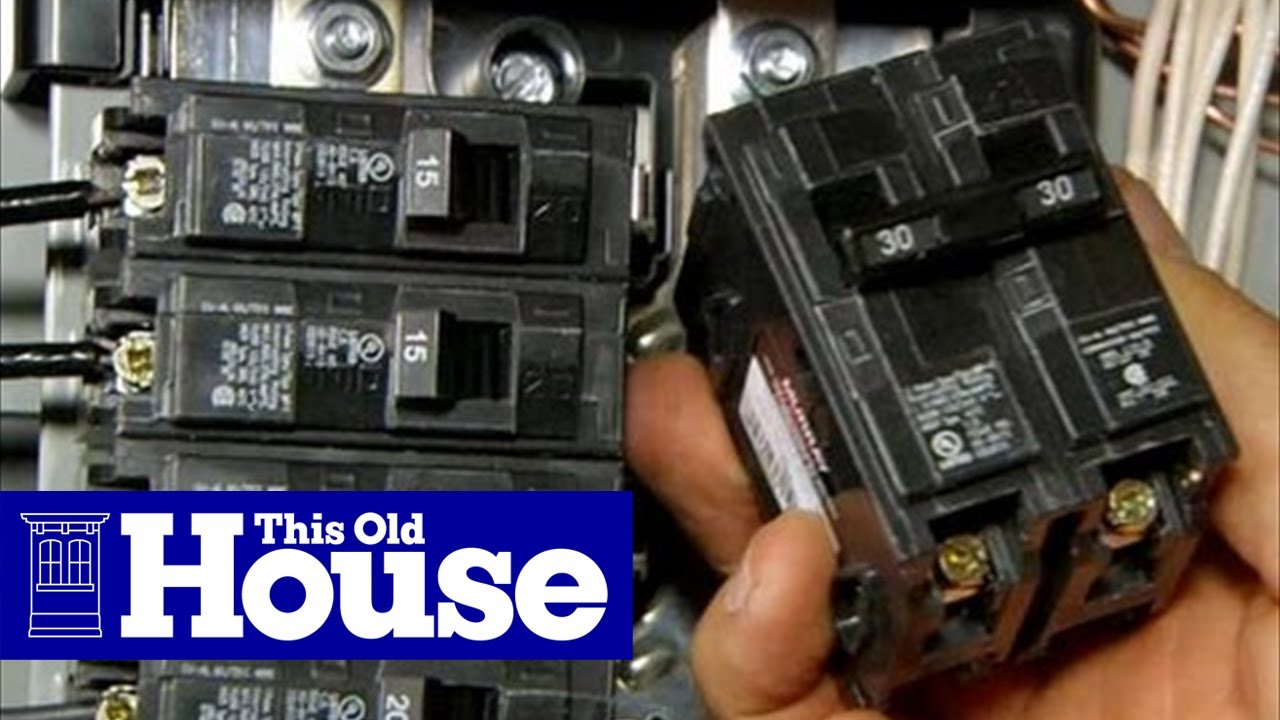
Circuit breaker breakdowns can bring about significant power loss, frequently stemming from a number of typical concerns. One prevalent cause is aging calls within the breaker. In time, these get in touches with can wear down, causing bad electric connection and periodic power failures. Additionally, thermal sensing units might become much less trustworthy as they age, leading to improper tripping. If these sensing units fall short to identify overloads properly, the breaker might not journey when essential, risking additional damage to your circuit. Regular inspections can aid identify these issues early, enabling timely replacements or fixings. By attending to aging get in touches with and guaranteeing thermal sensors work properly, you can decrease the risk of power loss and maintain a steady electric system.
The Role of Overloaded Circuits in Power Loss
Overloaded circuits take place when the need for electrical existing surpasses the circuit's capability, often resulting in overheating and eventual power loss. You may observe indicators such as flickering lights or tripped breakers, which show that your circuit is battling. Comprehending the reasons and signs and symptoms of overloaded circuits is vital for efficient repairing and avoidance.
Reasons For Overloaded Circuits
When multiple tools draw power simultaneously from a solitary resource, it can result in an overloaded circuit, leading to substantial power loss. Straining occurs when the overall current goes beyond the circuit's ability, typically as a result of insufficient lots balancing amongst devices. For circumstances, running high-wattage home appliances together with numerous smaller sized tools can push the limitations. Without appropriate overload prevention measures, such as breaker or integrates, the system runs the risk of getting too hot, possibly causing power loss or perhaps fire hazards. To alleviate this, it's crucial to evaluate the overall load on a circuit and distribute gadgets equally, guaranteeing that no single receptacle bears also much need. Understanding these causes helps preserve performance and safety in your electric system.
Indicators of Power Loss
Power loss frequently shows up with a number of indicators, usually connected to overloaded circuits. Among the most usual signs is flickering lights, which can occur when as well numerous devices attract power simultaneously, straining the circuit. This ever-changing voltage not only impacts illumination but can also bring about periodic outages, interrupting your daily activities. If you observe that your appliances are shutting down unexpectedly or running unpredictably, it's a clear signal that your circuit might be strained. Additionally, constant stumbled breakers better indicate underlying problems. By acknowledging these indications early, you can take proactive measures to attend to circuit overload and prevent more extreme electrical troubles, guaranteeing your home remains safe and functional.
Just How Power Loss Causes Breaker Trips
Although different factors can add to circuit breaker journeys, power loss is a substantial trigger that interferes with the circulation of power. When a unexpected decrease in voltage takes place, it can lead to home appliance cycling, where tools repetitively transform off and on. This cycling places additional stress on both the home appliances and the circuit itself. If rise defense isn't sufficient, the resulting voltage variations can exacerbate the situation, boosting the likelihood of a trip. The circuit breaker senses these abnormalities and trips to avoid damages, efficiently removing electricity to keep security. Comprehending this partnership in between power loss and breaker functionality can aid you repair issues properly and ensure your electrical system runs efficiently.
Typical Signs of a Failing Circuit Breaker
Usually, a stopping working circuit breaker will certainly show distinct indicators that suggest a requirement for interest. First, if you see frequent tripping, it could suggest your breaker is struggling to take care of the load, particularly with aging breakers. You might additionally experience flickering lights, which frequently signals inconsistent power delivery. Another crucial sign is a burning smell or any visible discoloration around the breaker panel; this suggests getting too hot because of defective thermal sensing. Additionally, a breaker that really feels hot to the touch is a clear indication that it's falling short. Focusing on these indications is essential for keeping electrical safety and security and avoiding possible hazards in your home. Always speak with a professional if you presume a circuit breaker issue.

Do It Yourself Troubleshooting for Power Loss Issues
If you've discovered indicators of a falling short breaker, addressing possible power loss issues promptly can stop further complications. Begin by checking your circuit panel labeling to recognize the details circuits influenced. Transform off all devices on the troublesome circuit to decrease tons and see if the breaker still journeys. Examine for arc mistakes, which can happen because of harmed wiring or loosened connections. Seek torn cables or indicators of overheating. If you locate any problems, take into consideration re-routing or changing damaged areas. After attending to these locations, reset the breaker and keep an eye on for additional troubles. If it continues to trip, it may be time to speak with an expert electrician for a thorough analysis and fixing.
Recognizing and Fixing Ground Faults
When circuits experience power loss, one possible culprit is a ground fault, which happens when electrical power travels along an unintended course to the ground. To determine these mistakes, start by checking connections for indicators of neutral rust, which can jeopardize the circuit's integrity. Inspect electricians in chatham for ground loopholes, as these can produce paths for roaming currents, leading to power loss. Make use of a multimeter to test voltage levels and connection, pinpointing any type of anomalies. If you think a ground fault, think about isolating circuit elements to establish the faulty section. Keeping clean links and making certain correct insulation can avoid future concerns. Resolving ground mistakes without delay not just restores power yet likewise safeguards against prospective threats.
When to Obtain Help From an Electrical contractor
Recognizing ground faults electrician chatham is a crucial action in fixing power loss, yet there are circumstances where professional treatment is necessary. If you have actually tired your troubleshooting alternatives without resolution, it's time to get in touch with an electrical expert. Doing so is specifically vital when permit demands are entailed, as lots of electric repair services demand authorizations to guarantee conformity with local codes. Additionally, if you're unsure about the safety and security of your electrical system or have obligation concerns relating to possible risks, obtaining skilled help is vital. Electrical experts have the know-how to resolve complex issues that can posture safety and security threats. Remember, it's much better to buy professional aid than to take the chance of injury or further damage to your building. Always focus on safety and security and conformity in your electrical job.
Frequently Asked Questions
Can Weather Conditions Affect Circuit Power Loss?
Weather can without a doubt impact circuit power loss. Think about storms damaging a ship at sea; comparable forces act upon electric systems. Weather-related variables like humidity induced voltage change can cause insulation degradation, endangering circuit stability. When dampness seeps into electrical parts, it can produce pathways for unplanned current circulation, leading to power loss. So, if you're experiencing problems, consider exactly how the components may be impacting your circuit's performance.
How Frequently Should Circuits Be Examined for Concerns?
You must perform routine checks on your circuits at the very least annually, but seasonal evaluations are vital, particularly prior to extreme weather. Regular assessments help identify potential issues like wear or deterioration. Throughout seasonal assessments, concentrate on links, insulation, and lots levels. If you observe any abnormalities, addressing them promptly can avoid bigger issues down the line. Consistency in inspections guarantees peak efficiency and safety and security for your electrical system.
Do Different Home Appliances Influence Power Stability?
Definitely, various devices can considerably affect power security. Consider your circuit as a tightrope pedestrian; if one side is strained, it wobbles. Device disturbance happens when tools draw uneven power, disrupting load balancing. High-demand appliances, like air conditioning unit or fridges, can create voltage declines, leading to flickering lights or stumbled breakers. Consistently assessing your device demands and guaranteeing also distribution can improve total circuit integrity and performance.
What Security Precautions Should I Take While Troubleshooting?
When troubleshooting electrical circuits, you need to always use immune handwear covers to shield against possible shocks. Usage insulated tools to minimize the threat of unintentional call with online wires. Before starting, ensure the power is switched off at the panel. Maintain your office completely dry and arranged to stay clear of dangers. Frequently examine your equipment for damages, and never ever work alone-- having a friend can supply support in case of emergency situations. Keep safe and focused!
Are There Particular Equipment Needed for Circuit Inspections?
Oh, you thought you could inspect circuits with simply a magnifying glass and a wish? Reconsider! You'll need a voltage tracer to find faults and an insulation tester to make sure whatever's well. These devices are crucial for a thorough assessment, assisting you avoid any surprising surprises-- literally. Equip yourself correctly, and you'll not only look the part of a savvy specialist, but you'll likewise make specific security and performance in your electrical ventures.
Corrections
Spot something wrong? Send it to the desk and it gets fixed in the open.